Free worksheet: Impact Thinking and Social Value
This free worksheet guides organisations through impact thinking, the structured process of mapping how activities create change, as the essential foundation before any social value measurement begins.
When people ask 'how do we evidence social value?' the answer often starts further back. Before you can measure, you need a way of thinking about how your work creates change. This is what we call impact thinking.
Impact thinking is about making the link between resources, activities, and the real difference they bring about. It shifts the focus from simply delivering outputs to understanding outcomes and long-term impact. For organisations committed to social value, it provides a clear framework for connecting what you do with why it matters.
Why impact thinking matters
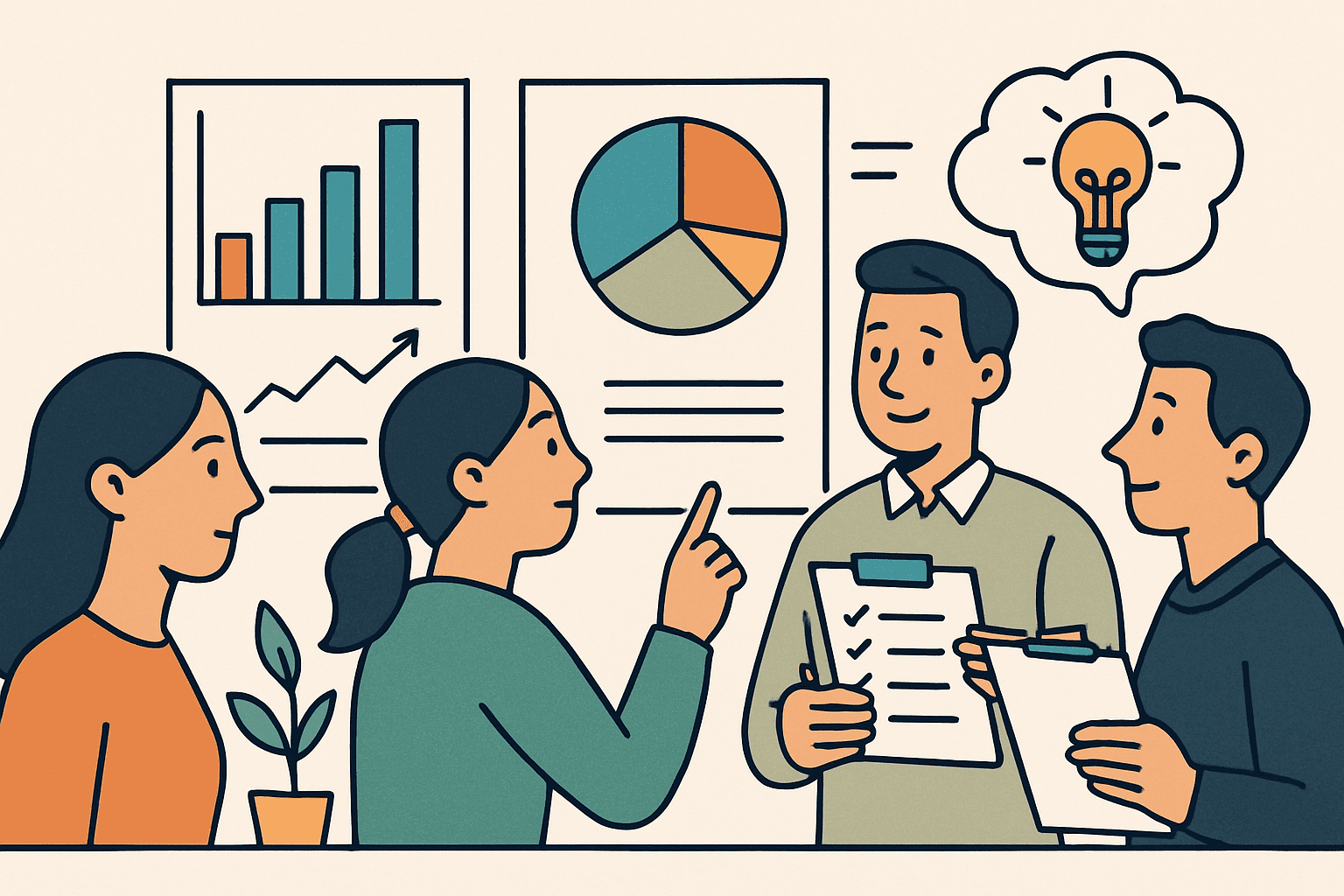
Impact thinking works best when it becomes part of everyday culture. It is not something that sits with one person or one team: it grows when people across an organisation, and the partners they work with, share responsibility for the difference being made.
This collective approach creates space for honest conversations about outcomes. Teams can reflect together on whether activities are creating the changes that matter most, and communities can be involved in shaping what success looks like.
When this culture takes hold, impact thinking moves from being a planning tool to being a shared mindset. It builds confidence that decisions are guided by a clear understanding of who benefits, in what ways, and how that value can be sustained.
Introducing the Impact Thinking Worksheet
To help organisations put this into practice, we have developed a free Impact Thinking Worksheet. It walks you through the key stages, from defining purpose and stakeholders through to outcomes and impact, so you can build a clear line of sight from activities to value.
You can use the worksheet:
-
At the start of a project, to clarify what you want to achieve and how you will get there
-
During delivery, as a checkpoint to see if activities are leading to the outcomes you expected
-
At the end, to support reporting and evaluation
-
In funding bids or tenders, to evidence a structured approach to social value
You do not always need to complete every section. In some cases, focusing on stakeholders, outcomes, and impact will be enough. The aim is to use it flexibly to support clearer thinking and stronger conversations.
Impact thinking and social value in practice
Social value is about the positive difference made for people, communities, and the environment. Impact thinking gives you the tools to evidence this. By mapping the connections between inputs, activities, outputs, outcomes, and impact, you can show how your work leads to lasting value.
That clarity benefits everyone: it helps funders and commissioners see the real difference being made, it supports teams in making better choices, and it ensures that community voices are part of the process.
Frequently asked questions
Expand a question to read the answer.
Impact thinking is the structured process of mapping how your organisation's activities create change: clarifying who is affected, what changes for them, and why that matters. Impact measurement is the subsequent step of collecting data and evidence to test and demonstrate those changes. Impact thinking comes first and makes measurement more effective, because it ensures you are tracking outcomes that genuinely matter rather than data that is easy to collect but says little about real-world change.
Stay informed
Get insights on social value delivered to your inbox