
What is the role of procurement in authentic social value delivery?
Authentic social value in procurement requires buyers to move beyond compliance rhetoric and embed measurable, community-specific commitments into contracts from specification through to evaluation.
“Social value will be at the heart of this procurement.” You’ve heard it. You might have said it. But what does it really mean --- and more importantly, what does it ask of procurement?
We have reached a point where social value is expected in almost every public tender. The intent is there. But too often, the way we approach it, from both commissioner and bidder sides, still falls short. Vague language, copy-pasted commitments, and outcome-free promises have become common.
It is time to ask a better question: what role does procurement play in shaping social value that’s real, proportionate, and rooted in place? And what might we need to change (or challenge) to get there?
Procurement sets the tone for authentic social value delivery
Every procurement process tells a story about what matters. Through specifications, scoring criteria, and contract management expectations, we signal what’s important (and what isn’t).
When social value is treated as an afterthought or tacked on at the end, we get generic, low-effort responses. But when it's embedded meaningfully, scoped early, valued clearly, and monitored fairly, we create the conditions for better delivery.
That’s why the role of procurement extends beyond evaluating offers to helping create the space for authentic social value to happen.
What does “authentic” look like?
Authentic social value is about clarity, relevance, and intent. Here’s what that looks like in procurement practice:
1. Start with place
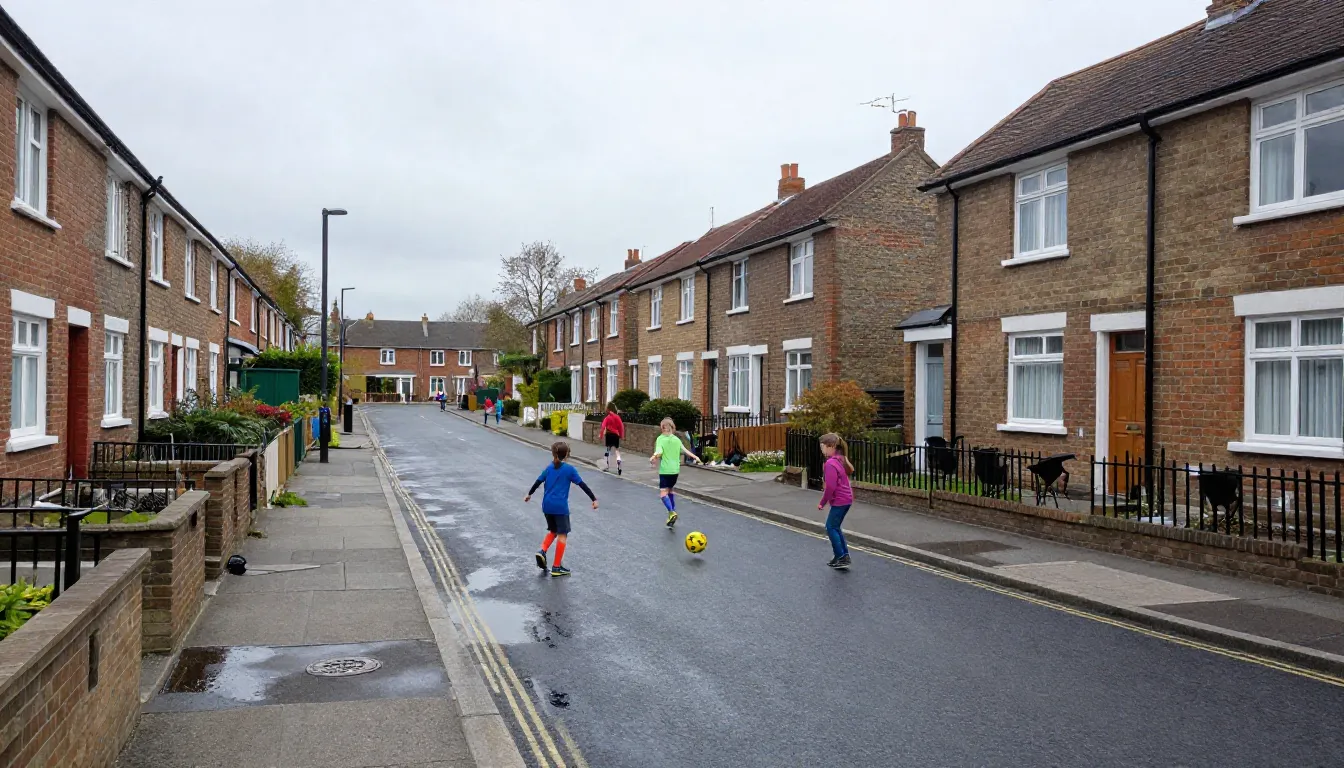
Procurement teams and bidders alike need to pay attention to local context. What does the community need? What’s already working? Where are the gaps?
Referencing local data sources, such as ONS wellbeing data, Joint Strategic Needs Assessments, or community plans, helps ground the offer in reality rather than rhetoric.
2. Engage early and listen properly
Engagement is often limited to consultations after the specification is written. But the best social value commitments are shaped by those who will be affected by the work.
This could mean informal conversations with community organisations, frontline workers, or people with lived experience. The key is to listen before deciding, rather than to validate what’s already planned.
3. Focus on change rather than activity
Social value shouldn’t be a list of tasks. Commissioners should ask for (and suppliers should describe) what will be different, for whom, and how it will be tracked.
This doesn’t need to be overly complex. For example:
“We’ll run weekly drop-ins for young people aged 16–25 who are not in education or employment. The aim is to increase confidence and reduce isolation. Progress will be tracked using self-assessment tools and informal check-ins.”
Simple, specific, and measurable in practice.
4. Be proportionate and realistic
Not every contract can solve structural inequality. Social value offers should match the scale of the work. Procurement teams can help by avoiding one-size-fits-all templates and encouraging realistic commitments.
Guidance from the National Procurement Policy Statement and Scotland’s Sustainable Procurement Duty both underline the importance of relevance and deliverability.
5. Support honest valuation
Valuing outcomes in monetary terms can help clarify priorities and demonstrate value. But it should never be a numbers game.
If financial proxies are used (for example, through tools like the Social Value Engine), they need to be transparent, proportionate, and clearly linked to actual change. Otherwise, trust breaks down.
What is the role of procurement in maximising social value delivery?
Several recurring issues limit the quality of social value in procurement:
-
Tenders include vague or outdated priorities
-
Social value is separated from core contract delivery
-
Scoring frameworks reward volume over meaning
-
There’s little follow-up after contract award
These aren’t just process flaws. They send a message: that social value is optional, cosmetic, or too complicated to follow through.
Procurement can help shift that narrative.
At its best, procurement does more than purchase. It creates structure, accountability, and possibility. It asks meaningful questions. It sets expectations that are fair but ambitious. And when it’s well-designed, it gives suppliers the confidence to offer something genuine rather than something that scores well.
That means:
-
Writing specifications that name the social outcomes being sought
-
Building in enough flexibility for suppliers to respond creatively
-
Allowing for lived experience to influence what gets prioritised
-
Monitoring what happens afterwards, beyond what was promised at the start
Procurement doesn’t deliver social value directly. But it shapes the environment in which it can be delivered.
Final thoughts
Authentic social value is about recognising that public contracts can create wider benefit when we ask the right questions, design fair processes, and hold each other to account.
Procurement has a central role to play in that, through thoughtfulness rather than perfection. If we want social value to mean something, it has to start with how we commission, rather than how we report.
Stay informed
Get insights on social value delivered to your inbox