
See how local authorities, NHS trusts, housing associations, and VCSE organisations across the UK use the Social Value Engine to measure their social impact and produce accredited SROI reports.

Social proof

Case Studies

From Scottish island councils to NHS Foundation Trusts, from small charities to major cities: see how organisations across the UK use the Social Value Engine to measure what matters.
250+
Organisations
10+
Years of Evidence
650+
Financial Proxies
SVI
Accredited Platform
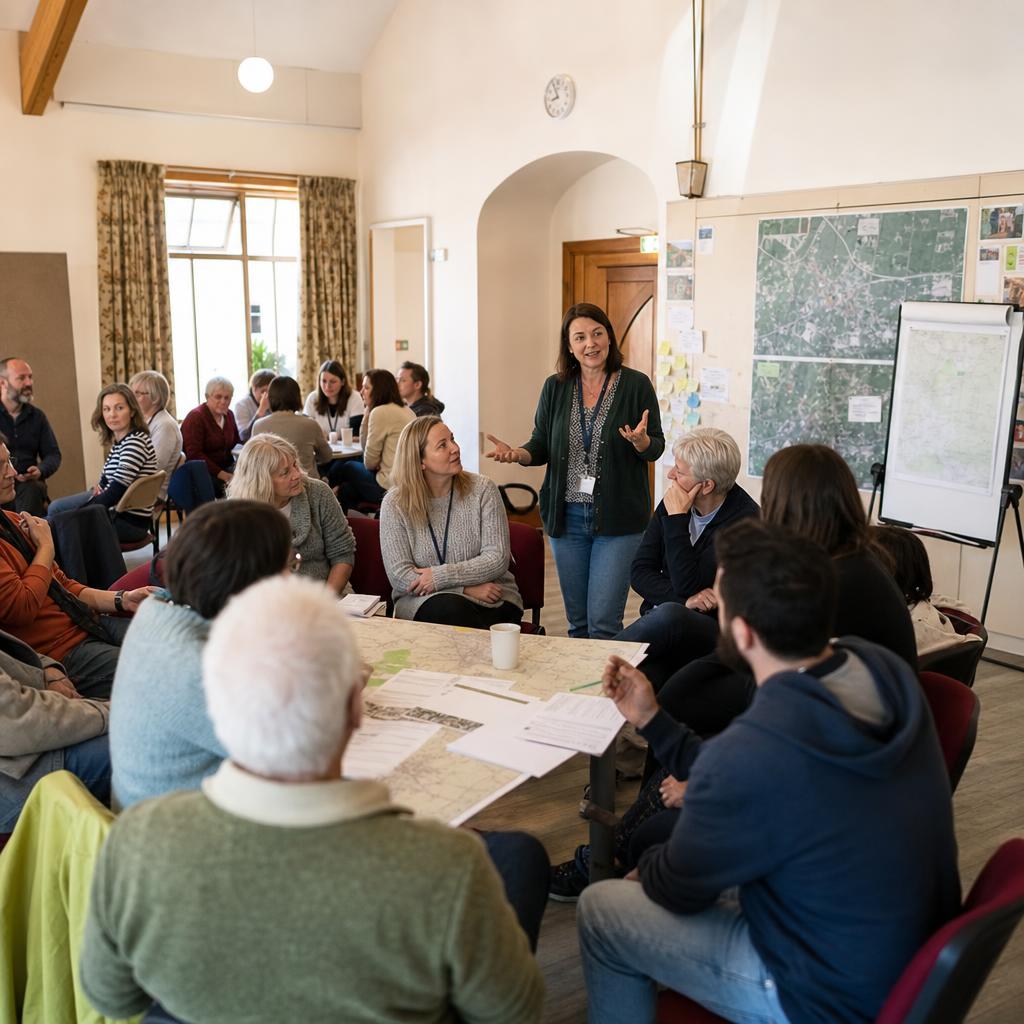
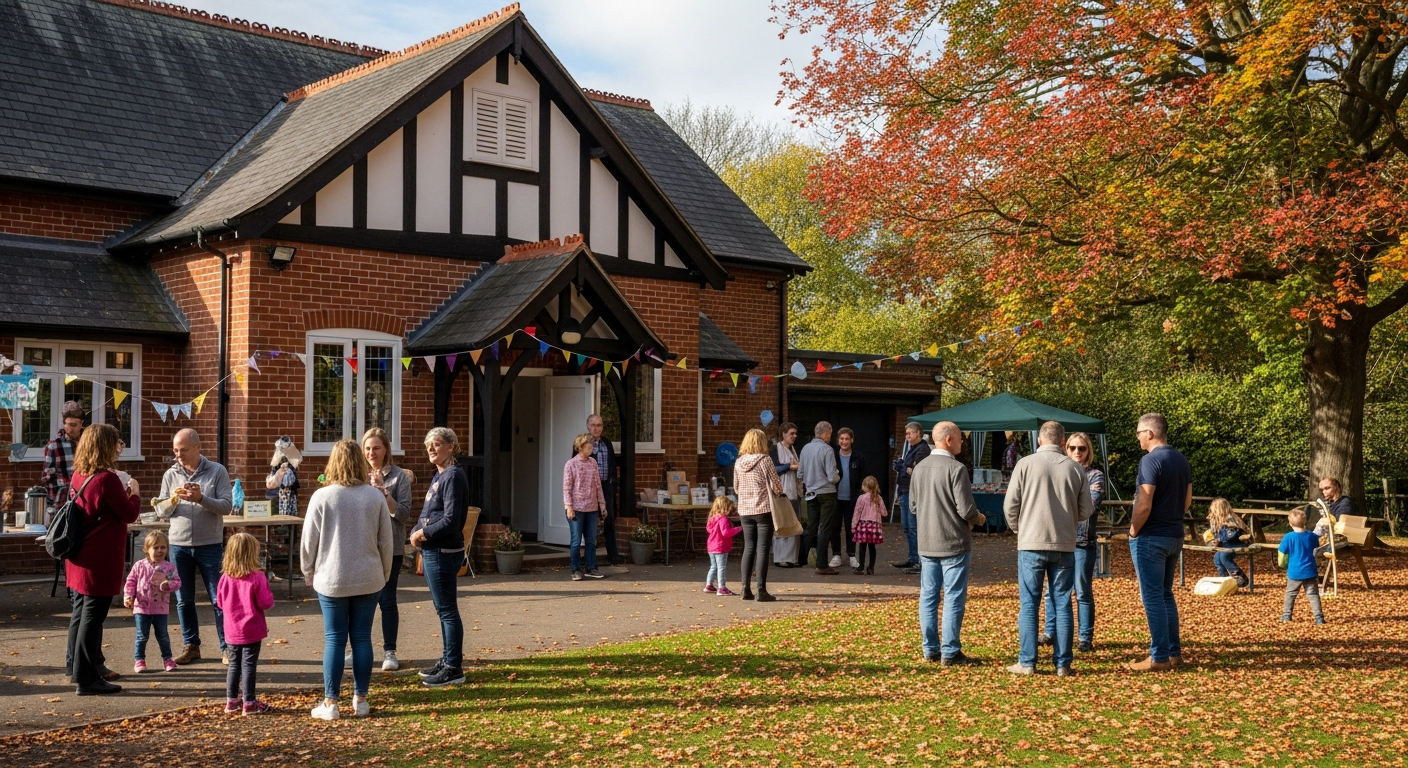
Community residents gathered around tables in a Devon village hall, collaborating with a facilitator on community placemaking and shared priorities
VCSE
All About The Place logo

Community Informatics & Placemaking

All About The Place

Creating a shared language for community progress

All About The Place is delivering community informatics and placemaking support across four contrasting Devon geographies, commissioned jointly by NHS Devon and Devon Public Health. The Social Value Engine provides a way to evidence early community-led progress and connect local action to the UN Sustainable Development Goals, helping communities and partners demonstrate how local change contributes to wider social, economic and environmental outcomes. All About The Place was founded to help bridge different ways of understanding communities. Public sector organisations often bring public health data, evidence and strategic insight, while VCSE organisations contribute local knowledge, trusted relationships and lived experience. Although both are working towards the same outcomes, they frequently describe places and progress in different ways. Deprivation and poverty are useful indicators for understanding where additional challenges may be concentrated, but communities themselves often describe their experiences in terms of strengths, aspirations and opportunities. All About The Place helps translate between these perspectives and, importantly, helps demonstrate what progress looks like as it starts to emerge.

Read case study
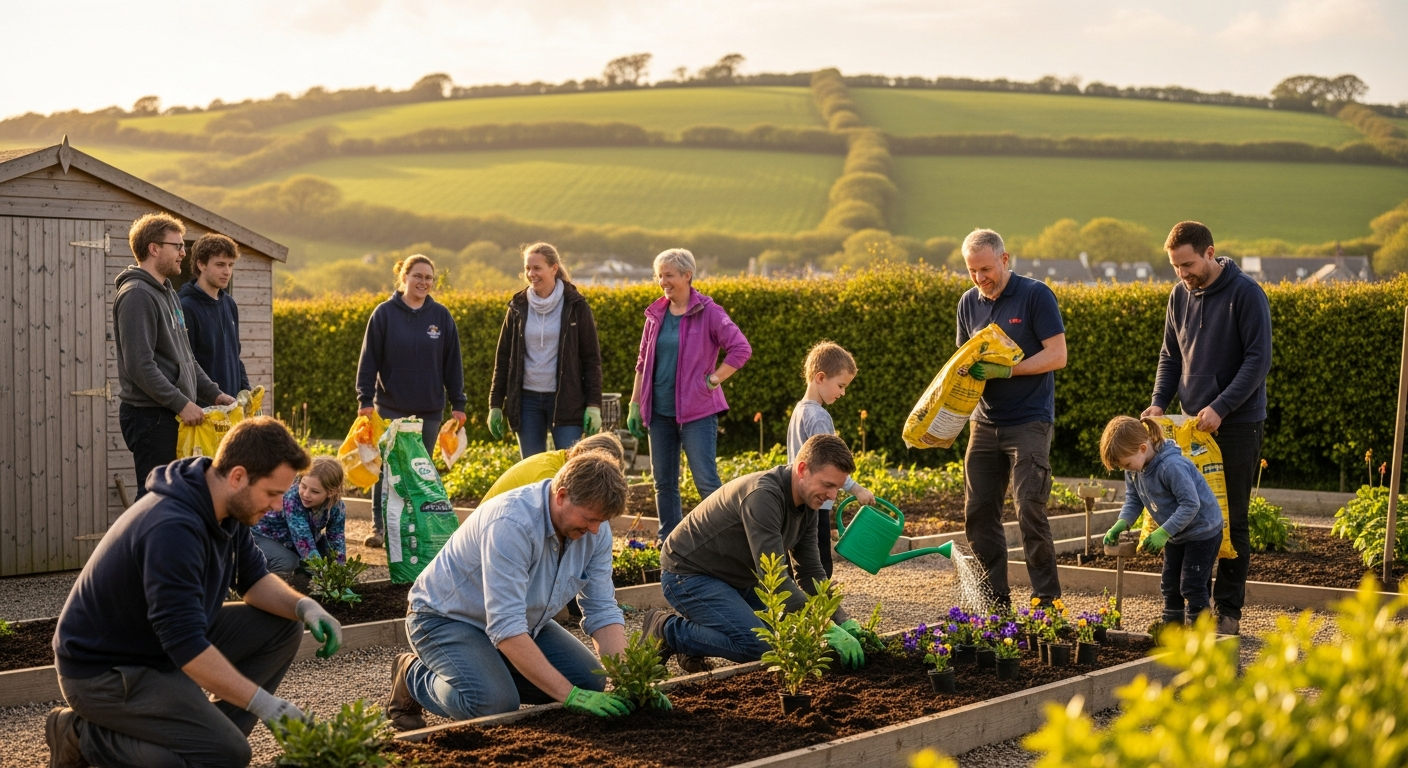
Scenic countryside landscape of Dumfries and Galloway, Scotland, where the council's Community Empowerment Service uses SROI methodology to evidence the social value of Community Asset Transfers
Local Authority
Dumfries and Galloway Council logo

Scottish Local Authority

Dumfries and Galloway Council

Justifying community asset transfers with independent social value evidence

Dumfries and Galloway Council covers one of Scotland's largest and most rural council areas. The Community Empowerment Service works with local groups and voluntary organisations to support the transfer of publicly owned assets into community ownership, a process known as Community Asset Transfer (CAT). Under Scottish legislation, community bodies can apply to purchase or lease public sector assets at significantly below market value, in some cases for a nominal payment of £1. In practice, transfers typically involve surplus or underused assets that the council does not need for its own purposes. James Parker has been leading this work within the Community Empowerment Service for several years, and The Social Value Engine has been part of his process from early on.

Read case study
Landscape of Fife, Scotland, where Fife Council's Active Communities team uses SROI to translate physical activity and wellbeing programme outcomes into evidence-based monetary values
Local Authority
Fife Council logo

Scottish Local Authority

Fife Council

Using social value measurement to articulate the impact of physical activity

Fife Council's Active Communities team works across the region to support physical activity and sport as a means of addressing health inequalities, community need, and wider social outcomes. The team delivers targeted programmes directly and works in partnership with third-sector organisations, community sports clubs, and community sport hubs to increase participation and improve wellbeing across Fife. While the team was confident about the positive impact of its work, articulating that impact in a way that resonated with senior decision-makers proved challenging. Traditional case studies, testimonials, and participation numbers did not fully reflect the scale or significance of the change being achieved, particularly for targeted programmes serving smaller or more specific populations.

Read case study

Ready to become a case study?

Join 250+ organisations across the UK using the Social Value Engine to measure and prove their social impact.