

Free tool: Visualise your impact with Impact Card Studio
Articulating impact clearly is a common challenge in social value delivery. The issue is rarely a lack of activity. More often, it is about finding a proportionate way to describe change that is structured, clear, and useful to others.

Free worksheet: Impact Thinking and Social Value
When people ask ‘how do we evidence social value?’ the answer often starts further back. Before you can measure, you need a way of thinking about how your work creates change. This is what we call impact thinking.
eBook: AI for Social Value
Artificial Intelligence (AI) has rapidly integrated into our personal and professional lives, with Generative AI (GenAI) tools like ChatGPT showcasing both its vast potential and significant risks.
This guide aims to introduce AI to professionals in social value, particularly within local authorities. It explores how AI can be leveraged for public good, addressing economic transformations, ethical challenges, and community impacts.
eGuide: Maximising Social Value for Local Authorities
This guide aims to provide local authorities with practical strategies and best practices for embedding social value into their everyday operations. It outlines how social value can be integrated from project inception through to evaluation, helping authorities maximise the positive impacts of their activities.
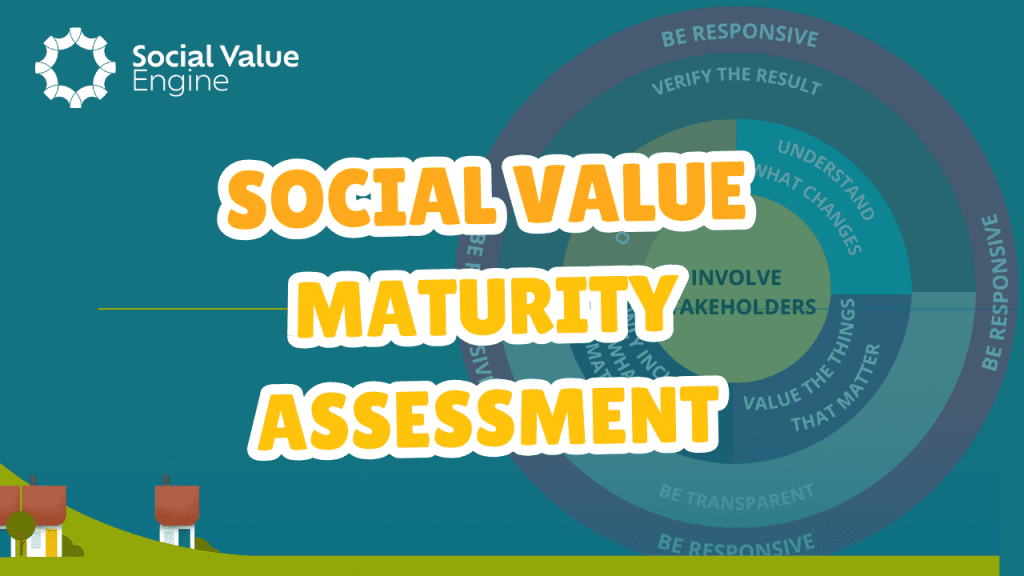
Social Value Maturity Assessment: A Free Tool for Local Authorities
Local authorities play a vital role in promoting the social, economic, and environmental well-being of their communities. Understanding how deeply social value is embedded within your organisation is essential for transparency, accountability, and continuous improvement. The Social Value Maturity Assessment offers a free, structured approach designed specifically to help local authorities evaluate and enhance their social value initiatives.
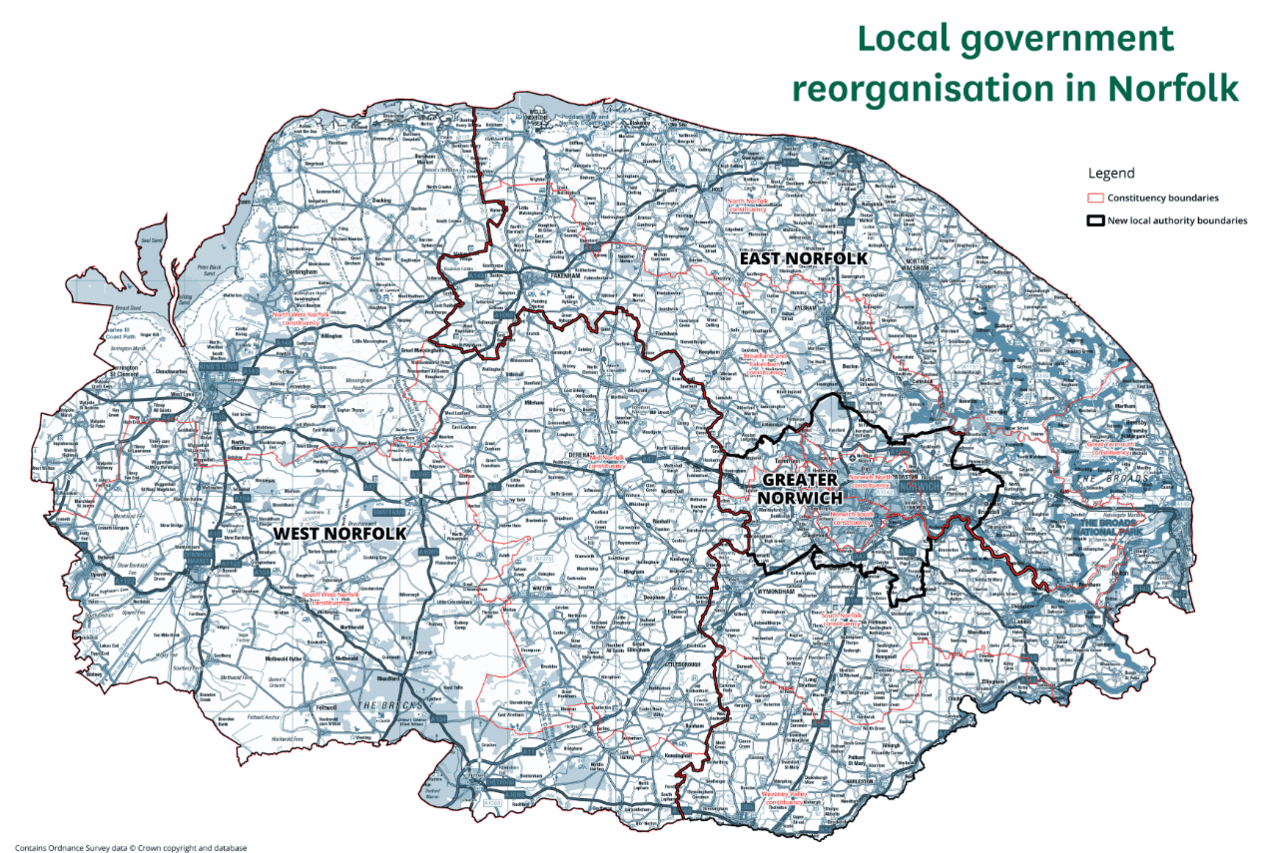
Adapting your social value strategy for the unitary transition
April 2026 is the beginning of the shadow year for Surrey, and the start of a two-year preparation window for Essex, Norfolk, Suffolk, and other areas of England undergoing the most significant wave of local government reorganisation in a generation. Across all of these areas, county and district councils are giving way to new unitary authorities.
For VCSE organisations, the implications are substantial: who you are making the case to, what scale of impact you need to demonstrate, and how commissioning decisions will be made are all changing.

FY2026-2027: Planning your social value measurement for the year ahead
The start of the new financial year in April offers a vital window for organisations to move from reactive to proactive social value measurement by designing data collection before projects begin.
How to design effective, low-friction stakeholder surveys
A poorly designed survey is one of the most common sources of weak social value evidence. It asks too much, captures too little that is useful, and leaves practitioners trying to build a credible SROI case from data that does not hold up to scrutiny.

What Is Proportionality in Social Value Measurement?
Proportionality is one of the most important, and most frequently misunderstood, concepts in social value measurement. Put simply, it means matching the depth, rigour, and cost of your measurement approach to the scale of the activity, the significance of the decisions it will inform, and the resources available to carry it out.
What is Social Return on Investment?
Most organisations know they create value beyond their balance sheet, but it can be challenging to prove it in a way that is credible, comparable, and useful for decision-making. Social Return on Investment (SROI) is the methodology most widely used to do exactly that.
This guide explains what SROI is, how it works in practice, what makes it rigorous, and how it fits into the broader landscape of social value measurement in the UK.
WELLBYs and SROI: complementary methods for understanding social value
Public and third sector organisations are increasingly expected to demonstrate that their work improves people’s lives while also making responsible use of public money. As a result, approaches that attempt to measure social impact in a structured way have become more prominent. Two of the most discussed are WELLBYs (Wellbeing-Adjusted Life Years) and Social Return on Investment (SROI).

The Scottish Community Wealth Building Bill: Practical information for third sector organisations
Scotland’s Community Wealth Building (Scotland) Bill represents a significant shift in how public spending is approached across local and national government. If you work for a third sector organisation delivering services, competing for contracts, or working in partnership with public bodies, this legislation will change what is expected in procurement, reporting, and strategic planning.
This article outlines what the Bill means in practice, and how organisations can prepare now for the changes ahead.

What is sensitivity analysis?
Sensitivity analysis is a technique that helps you test how your social value results change when you adjust key assumptions.
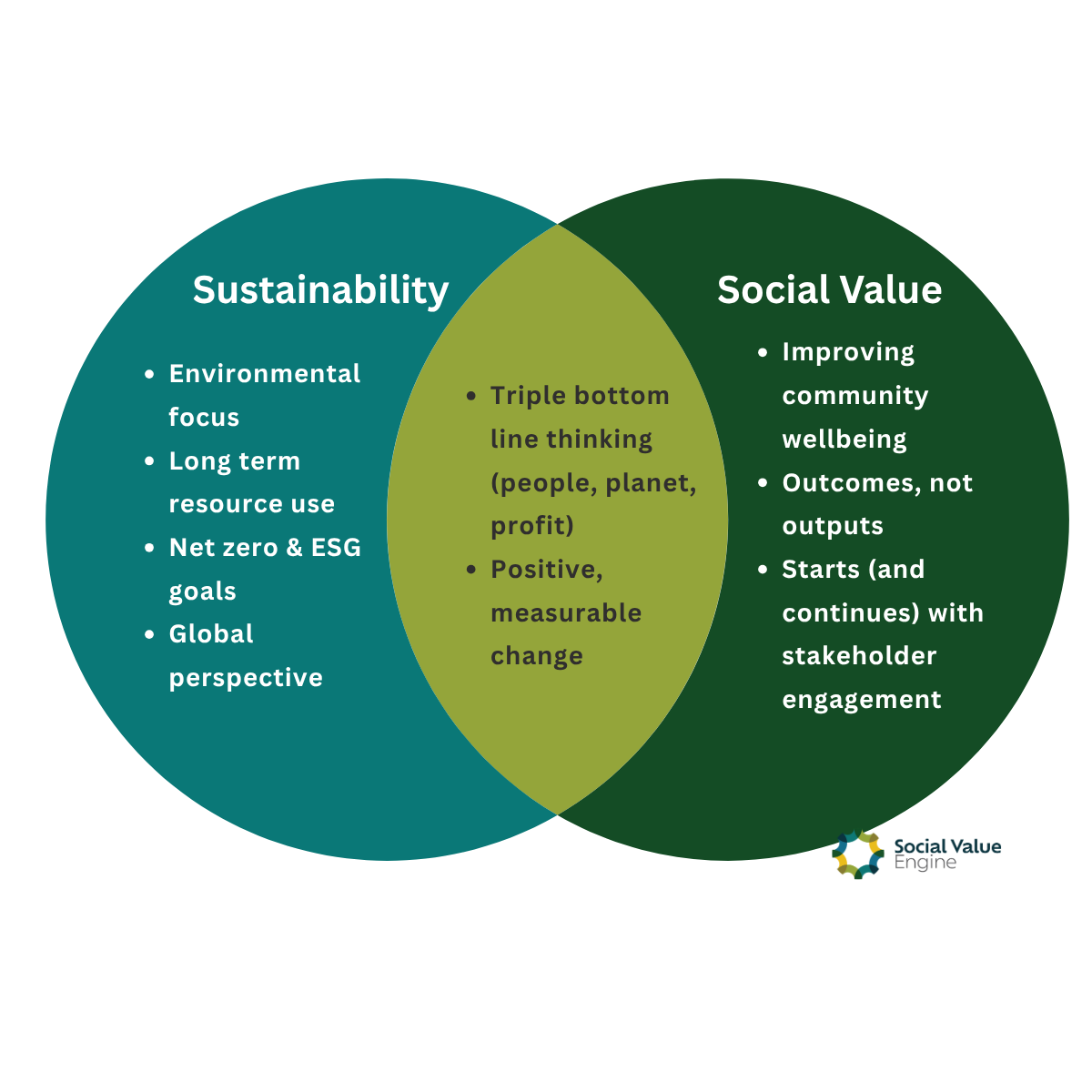
Is sustainability the same as social value?
In recent years, the terms sustainability and social value have become increasingly prominent in public policy, procurement, and business strategy. But while they’re often used interchangeably, especially in tenders and ESG reports, they’re not quite the same thing.
So what’s the difference—and how are they similar?

Case Study: Fife Council
Using social value measurement to articulate the impact of physical activity.

Case Study: Devon Communities Together
Devon Communities Together, a charity focused on community development, needed a better way to demonstrate the real-world impact of their diverse projects.

Case Study: Orkney Islands Council
Orkney Islands Council struggled to demonstrate the value of its cultural investments. By customising the Social Value Engine, Dr Emma Gee translated qualitative and quantitative data into tangible social value metrics, bolstering the case for ongoing funding. This evidence-driven approach has also fostered innovative community initiatives, enhancing accountability and long-term impact.

Case Study: Pembrokeshire Association of Voluntary Services (PAVS)
Pembrokeshire Association of Voluntary Services (PAVS) empowers local charities and social enterprises by helping them measure and showcase social value. Using the Social Value Engine, PAVS provides tailored support, enabling individuals and organisations to confidently increase revenue streams, secure funding, align with Welsh policies, and effectively communicate their impact, significantly enhancing their community contributions.
Case Study: Work West
Work West, a Belfast-based enterprise agency, specialises in supporting social enterprises to establish and expand their operations. Stephen McGarry, a Social Enterprise Business Advisor at Work West, supports organisations through various stages; from idea formation and legal set up to measuring social impact and identifying opportunities for social value.

Case Study: Tyne & Esk
Tyne & Esk, supported by East Lothian Council as the accountable body under Scotland’s Community-Led Local Development (CLLD) programme, needed a more robust way to evidence the social impact of local initiatives. By adopting the Social Value Engine (SVE), they can now provide tangible, data-driven insights into project outcomes, ensuring funding decisions align with real community benefit.
Case Study: Cheshire Community Action
The Social Value Engine met with Mark Reading, CEO of Cheshire Community Action, to discuss his experience of using the platform.

Case Study: Lincolnshire Partnership NHS Foundation Trust
Interview with Mark Platts, Director of Finance, Digital & Estates

Case Study: East Riding of Yorkshire Council
Over a decade ago, East Riding of Yorkshire Council (ERYC) embarked on a transformative journey, integrating social value as a strategic priority.

Case Study: Leeds City Council
In 2022, Leeds City Council enhanced community impact by implementing the Social Value Engine. Sasha Walton, Social Value Delivery Manager, shares her insights in this guest blog.