

What is Social Return on Investment (SROI)?
Social Return on Investment (SROI) is a methodology for measuring, valuing, and communicating the social, environmental, and economic outcomes that an organisation, project, or service generates.
Guides & Resources
Comprehensive guides, frameworks, tools, and educational resources on social value measurement.
Free tool
SROI Calculator — get an illustrative Social Return on Investment ratio for your programme
Free tool
Theory of Change Builder — map your activities, outcomes and impact in 8 guided steps
20 articles· page 1 of 2

Social Return on Investment (SROI) is a methodology for measuring, valuing, and communicating the social, environmental, and economic outcomes that an organisation, project, or service generates.

A poorly designed survey is one of the most common sources of weak social value evidence. It asks too much, captures too little that is useful, and leaves practitioners trying to build a credible SROI case from data that does not hold up to scrutiny.

Proportionality means matching the depth, rigour, and cost of your measurement approach to the scale of the activity, the significance of the decisions it will inform, and the resources available to carry it out.

Public and third sector organisations are increasingly expected to demonstrate that their work improves people’s lives while also making responsible use of public money. As a result, approaches that attempt to measure social impact in a structured way have become more prominent. Two of the most discussed are WELLBYs (Wellbeing-Adjusted Life Years) and Social Return on Investment (SROI).

Articulating impact clearly is a common challenge in social value delivery. The issue is rarely a lack of activity. More often, it is about finding a proportionate way to describe change that is structured, clear, and useful to others.

Sensitivity analysis is a technique that helps you test how your social value results change when you adjust key assumptions.

When people ask 'how do we evidence social value?' the answer often starts further back. Before you can measure, you need a way of thinking about how your work creates change. This is what we call impact thinking.

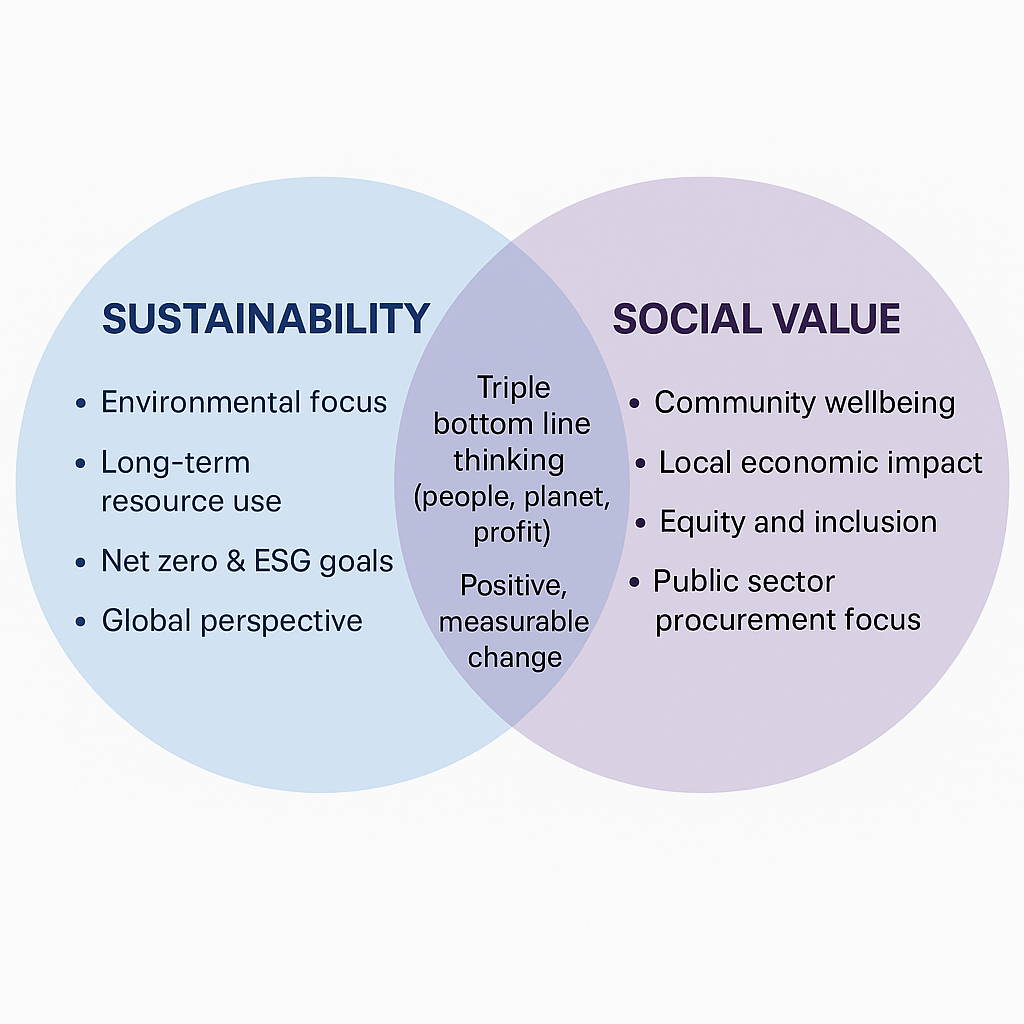
In recent years, the terms sustainability and social value have become increasingly prominent in public policy, procurement, and business strategy. But while they're often used interchangeably, especially in tenders and ESG reports, they’re not quite the same thing. So what’s the difference, and how are they similar?

Organisations responsible for awarding grants play an important role in deciding where funding goes and how effectively it contributes to social change. Accurately identifying genuine social value among numerous applications can be challenging. This article outlines how to evaluate grant applications effectively by applying the Social Return on Investment (SROI) methodology.

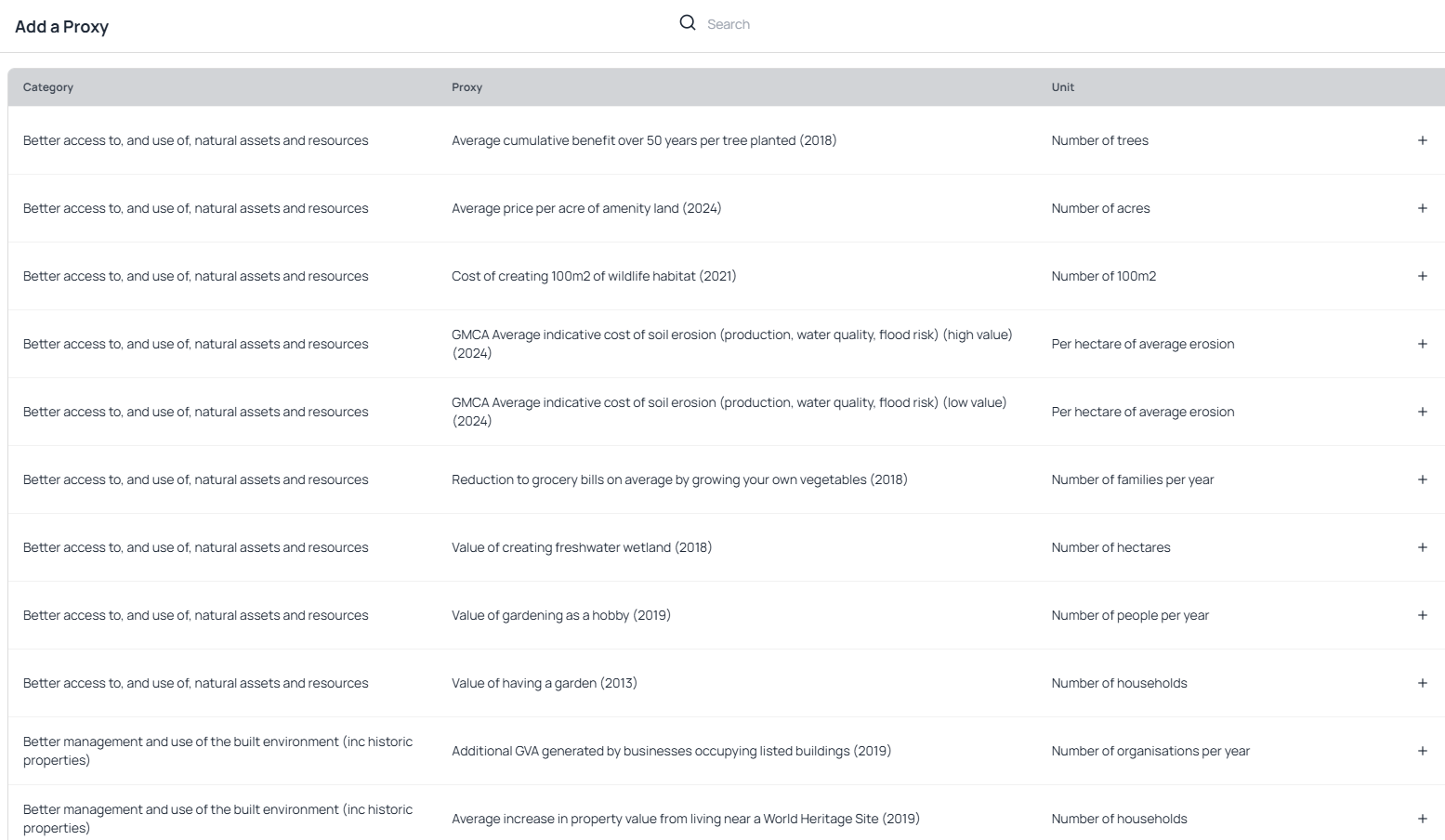
Assigning financial values to outcomes is a core step in Social Return on Investment (SROI) analysis. It involves estimating the monetary value of the outcomes experienced by stakeholders as a result of a project or service. To apply these values, we use 'approximations of value', also known as proxies.

This article explores how TOMs and SROI differ, where each approach has strengths, and why a more holistic view of social value is increasingly being called for.

If you're working in public procurement, bidding for government contracts, or supporting organisations that do, you've probably come across PPN 002 (2025), the latest update to the UK Government’s Social Value Model. But what does it actually mean in practice?
Get the latest guides, news, and sector insights delivered straight to your inbox.
Book a free demo and we'll walk you through everything the Social Value Engine offers — from proxy selection to publication-ready reports.